


Rising US–China Strategic Competition
One of the most important global developments is the ongoing rivalry between the United States and China, especially in trade, technology, and geopolitical influence. Recent G7 discussions highlight concerns about trade imbalances and China’s export-driven economic model affecting global markets. At the same time, both sides are maintaining limited diplomatic engagement to prevent full-scale economic escalation .
Russia–China Alignment and Global Power Shifts
The partnership between Russia and China continues to deepen, especially as Russia faces sanctions and economic pressure due to the Ukraine conflict. However, analysts note an imbalance where China holds stronger leverage in trade, energy pricing, and technology supply chains. This shift is reshaping global power dynamics toward a more multipolar world order .
Ongoing Ukraine Conflict and Security Tensions
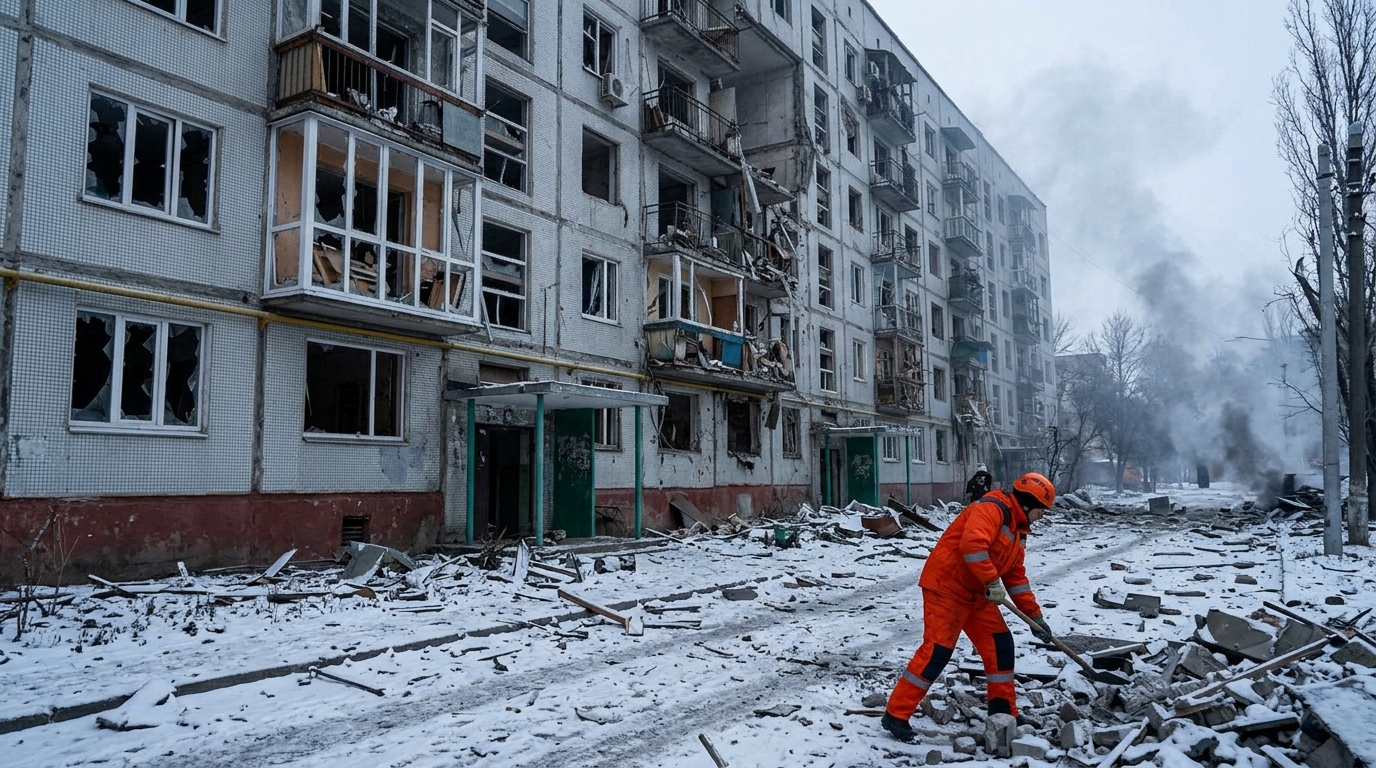
The war involving Ukraine remains a central global security issue. Western countries continue military and financial support, while sanctions on Russia remain in place. The conflict continues to disrupt energy markets, food supply chains, and European security planning, keeping NATO and allied governments on high alert.
Gaza Humanitarian Crisis and Middle East Instability
The humanitarian situation in Gaza remains severe, with shortages of food, medicine, and shelter due to ongoing conflict and restricted aid access. The United Nations has warned of worsening famine risks as funding gaps and displacement increase. Broader regional tensions involving Israel, Iran, and neighboring states continue to raise fears of wider escalation .
Iran–US Tensions and Gulf Security Risks
Tensions between the Iran and the United States have escalated again, including maritime confrontations and warnings of possible military escalation. Disruptions in the Strait of Hormuz continue to affect global oil and fertilizer supply chains, increasing inflation risks worldwide and threatening food security in vulnerable regions .
Global Food and Energy Supply Pressures
Geopolitical instability is increasingly affecting global food and energy systems. Fertilizer shortages, oil supply disruptions, and rising transport costs are driving inflation in both developed and developing economies. The United Kingdom and other countries have warned that supply chain instability could contribute to a broader global food crisis if tensions continue .
Economic Slowdown and Fragile Global Growth
International financial institutions such as the International Monetary Fund warn that global growth is slowing due to geopolitical conflicts, inflation, and disrupted trade routes. Developing economies are expected to face the highest pressure from rising costs, weaker currencies, and reduced investment flows.
Conclusion
Global affairs in 2026 are being shaped by overlapping crises involving war, trade tensions, energy insecurity, and humanitarian challenges. Major powers are competing for influence while international institutions struggle to maintain stability. The interconnected nature of today’s world means regional conflicts now have immediate global consequences for economies, security, and everyday life worldwide.
