


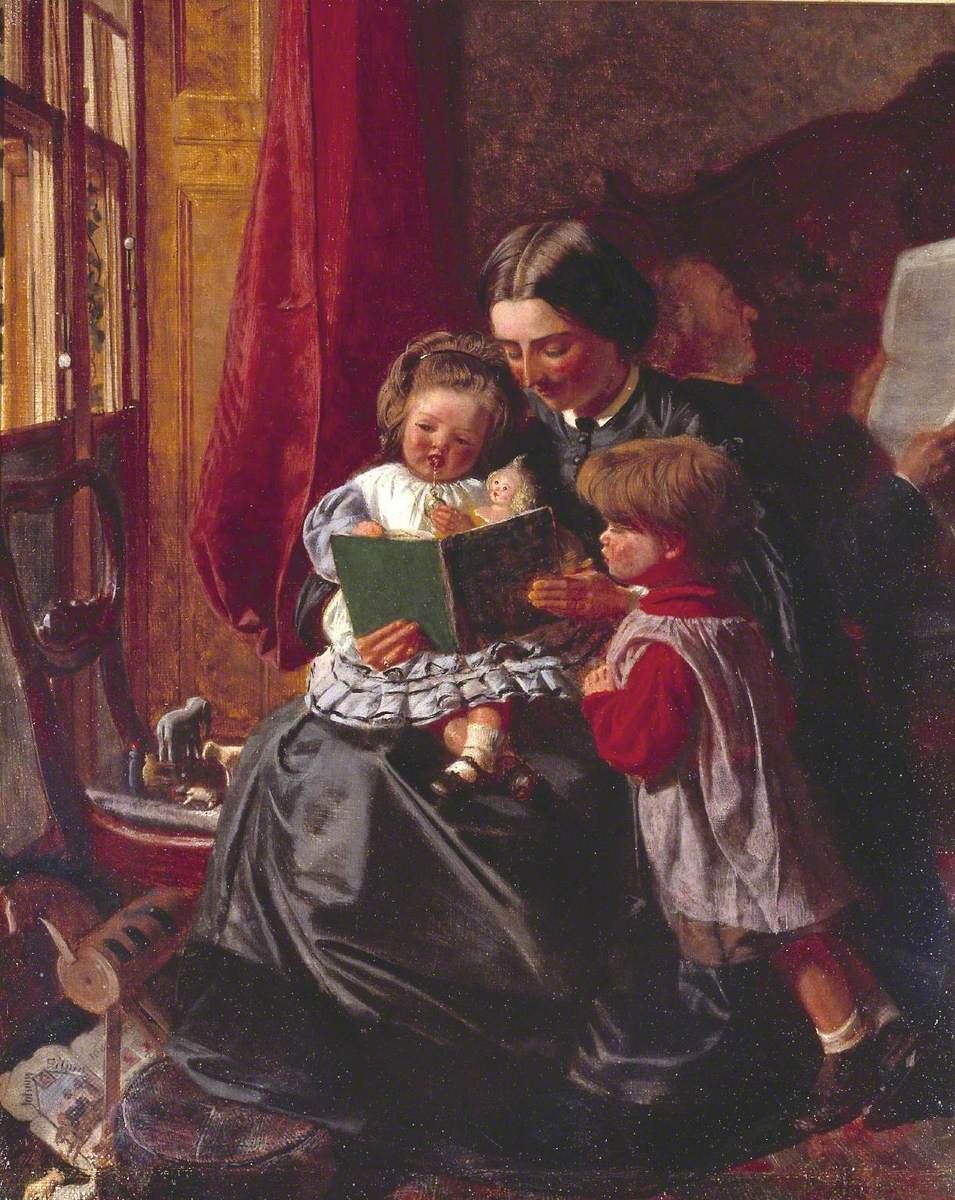
The surveys arrive yearly now and point the same way: the share of children who read for pleasure daily has fallen to its lowest recorded level, in some countries halving within two decades. The decline cuts across income and gender — though boys fall furthest — and it tracks almost perfectly with the rise of the smartphone childhood. Teachers, librarians and publishers are no longer debating whether to respond, but how.
The stakes are unusually well evidenced. Reading for pleasure is one of the strongest known predictors of educational progress — stronger, in major cohort studies, than parental education or income — because it compounds: vocabulary, background knowledge, empathy and stamina all grow on the same daily habit. It is also, adults who work with children insist, a good in itself, which is harder to put in a spreadsheet and easier to put in a classroom. Our family and education pages have followed the response as it gets more inventive.
What Schools Are Trying
The promising interventions share a shape: protect time, widen choice, and remove performance pressure. Daily reading-for-pleasure periods with free choice of material — comics and magazines included — outperform assigned-text regimes for habit formation. Librarians (where schools still have them) act as matchmakers. Author visits, reading dogs, and student-run book awards all convert reading from a test into a culture.
The phonics wars continue in parallel over how beginners should be taught to decode, but the pleasure decline is a separate emergency: children who can read but don’t are the new at-risk group, and decoding scores can look fine while the habit quietly dies.
The Home Front
The National Literacy Trust‘s research keeps returning to the same household variable: whether children see adults reading and are read to. The cliff is cultural, which means it is reversible the same way — one bedtime story, one library card, one book chosen freely at a time.
Publishers are part of the response and part of the puzzle. Children’s publishing has boomed commercially even as reading rates fell — a paradox explained by intensity: the children who do read are reading more, bought for by engaged households, while the middle hollows out. Graphic novels, once confiscated by teachers, are now the bridge format shelved at the front of school libraries, defended by librarians armed with the data that a book finished beats a classic abandoned. Audiobooks complicate the definition wars — is listening reading? — in ways most researchers now shrug at: story is story, and the habit is the prize. The cliff took twenty years to form and will not be climbed in one. But the map of the way back is unusually clear for an education problem, and it starts with the same technology that caused the trouble being switched off, briefly, by an adult with a book.
