


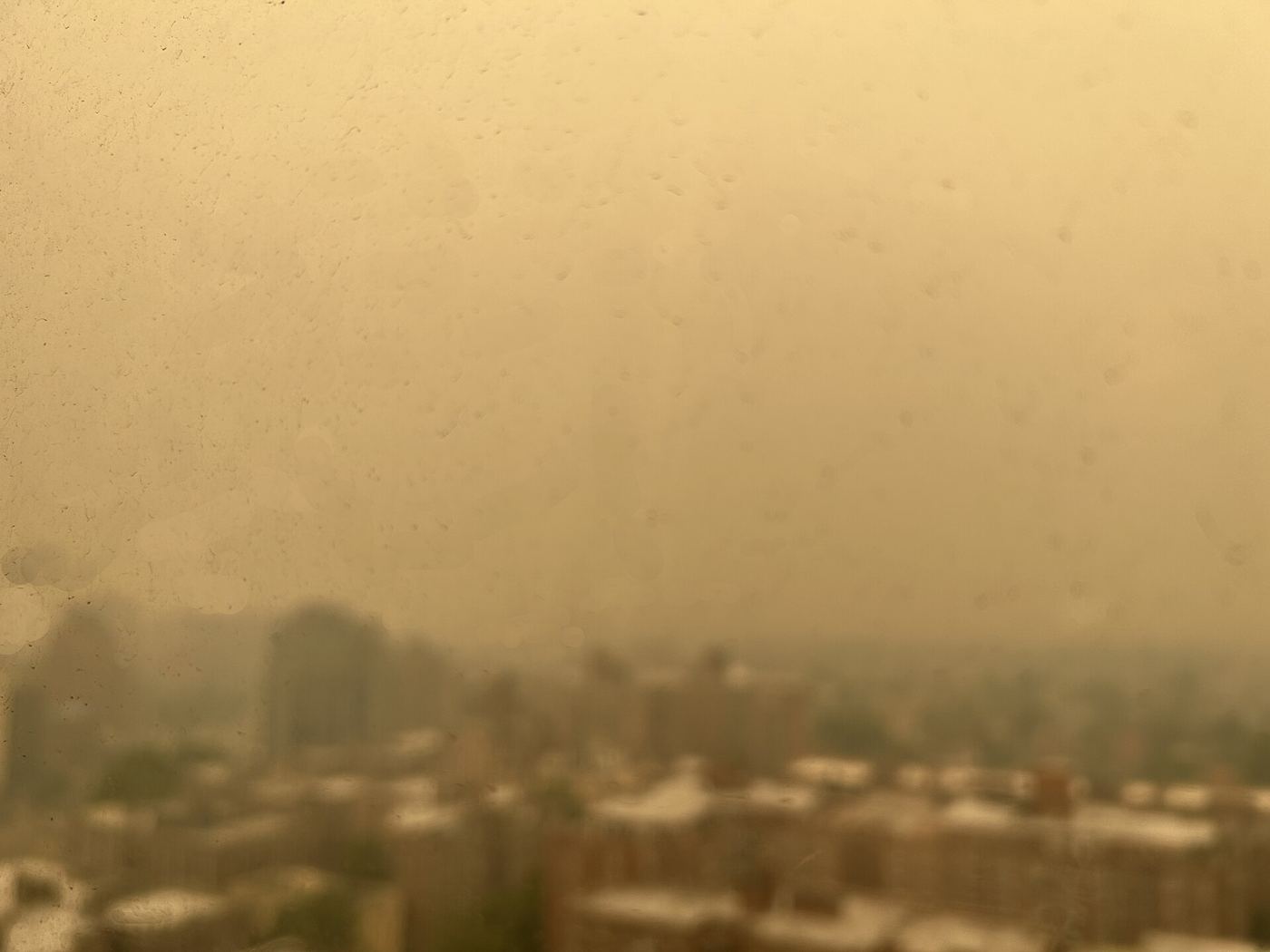
On a summer afternoon, two streets in the same city can differ in temperature by several degrees, and the hotter one is rarely an accident. Satellite thermal images, combined with sensors carried on foot, bicycles and buses, now map urban heat at the scale of individual blocks, showing how asphalt, building density, traffic and the absence of trees combine into neighbourhoods that stay hot long after sunset. City governments are using these maps to spend tree planting budgets where shade saves the most suffering, rather than where planting is easiest or most requested by the already leafy districts. The equity dimension is stark, because historically poorer areas often have the least canopy, the most rented housing without cooling and residents whose health suffers first in heatwaves. Planting well is harder than planting many. Young trees die without watering through their first summers, the wrong species fail in confined soil and canopy takes a decade to deliver its full benefit, so serious programmes budget for maintenance and choose species for the climate of twenty years ahead, not today’s. Residents are involved early, because trees succeed where the street wants them and can report damage, blocked signs or root problems before they become reasons to remove the tree.
What the Evidence Shows
The maps also expose quick wins beyond planting. Cool roof coatings, lighter road surfaces, drinking fountains and shaded bus stops can be directed to the same hotspots, and buildings such as libraries in the hottest districts can be prepared as cooling refuges during heatwaves. Health services use the maps to target visits to vulnerable residents, and schools audit their playgrounds against them, adding shade sails where asphalt yards become dangerous at midday. Researchers caution that greening a district can raise its desirability and rents, so heat programmes pair planting with housing protections where possible, aiming to cool residents rather than displace them. The data keeps improving: repeated mapping through a summer shows not only where heat peaks but where it lingers at night, when the body needs relief and when excess deaths concentrate. As heatwaves intensify, this block-by-block knowledge turns a general warning into specific protection. A city that knows its own hotspots can act like it knows them, planting, shading and checking on people street by street. The trees planted today on the basis of a thermal map will still be growing when the maps are redrawn, a rare case of infrastructure that improves with age. Reporting and analysis from sources such as Nature track the same developments, and specialists following urban heat mapping and tree planting say the direction is now consistent across independent lines of evidence.
The Wider Context
The wider context is a research landscape in which replication and open data now decide reputations. Findings connected to urban heat mapping and tree planting are being checked by independent groups with shared datasets, and the teams involved publish their methods in full so rivals can test every step. That discipline is slower than a headline cycle, but it is why results in this area increasingly survive first contact with scrutiny.
What Happens Next
What happens next in the story of urban heat mapping and tree planting will be decided by follow-up work already under way: larger samples, longer observation and instruments that have not yet come online. The researchers involved are unusually united on one point, that the current results justify the next investment of time and money. Readers will not have to wait long for the first tests of that claim. You can follow related developments in our coverage of science.
