Bold regeneration strategies, sustainable infrastructure, and community-led development are redefining Sunderland’s future. Once known primarily for shipbuilding and heavy industry, this dynamic city on England’s northeast coast is transforming into a hub for innovation, green energy, and smart urban planning. Strategic investment, forward-thinking leadership, and strong partnerships now drive long-term growth while protecting local heritage.
Urban transformation in Sunderland reflects a broader shift toward sustainable city design. Smart planning no longer focuses solely on expansion; it prioritizes livability, economic resilience, environmental responsibility, and digital connectivity. Leaders, developers, and residents share a collective vision: build a future-ready city that balances progress with identity.
Regeneration as a Catalyst for Economic Growth
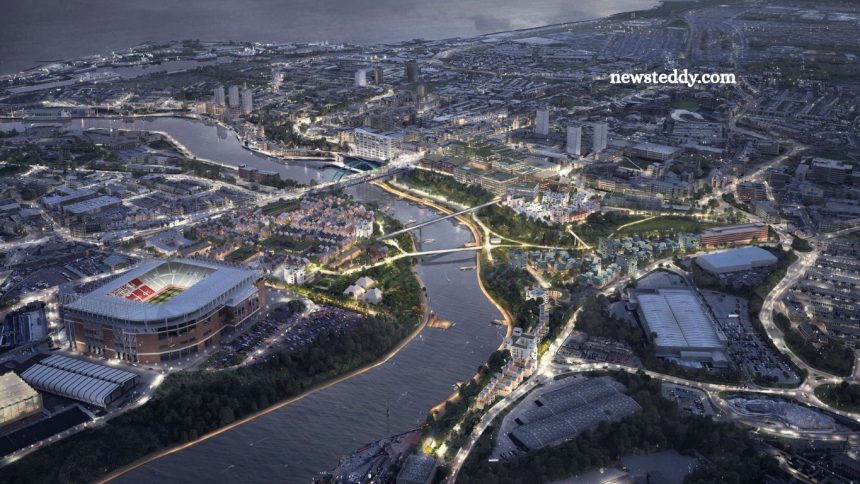
Citywide regeneration projects continue to reshape Sunderland’s urban core. Riverside developments, mixed-use spaces, and revitalized commercial districts attract investors and create employment opportunities. Strategic frameworks align housing, transport, and business infrastructure to ensure cohesive growth rather than fragmented expansion.
Major redevelopment around the River Wear demonstrates how integrated planning strengthens local economies. Modern office spaces, leisure facilities, and residential complexes encourage business relocation and startup growth. Tech firms, creative industries, and advanced manufacturing companies now view Sunderland as a competitive destination within the North East.
Investment in innovation corridors and enterprise zones further enhances economic momentum. Strategic partnerships between public authorities and private investors accelerate progress while reducing risk. Long-term planning supports job creation, skills development, and economic diversification — critical components for sustainable urban prosperity.
Read More: MexicoMark Review: Curated Mexican Artistry and Design Excellence
Sustainable Infrastructure Driving Environmental Progress
Environmental sustainability underpins Sunderland’s smart planning strategy. Green building standards, low-carbon transport networks, and renewable energy integration shape development guidelines. Planners prioritize energy efficiency, biodiversity protection, and climate resilience to future-proof infrastructure.
Solar installations, improved insulation standards, and smart energy grids reduce carbon emissions across residential and commercial properties. Expanded cycling lanes and pedestrian-friendly routes encourage low-impact mobility. Public transport enhancements connect neighborhoods more efficiently, cutting congestion and improving air quality.
Green spaces remain central to urban health and wellbeing. Park regeneration initiatives enhance biodiversity while providing recreational areas for residents. Sustainable drainage systems and flood-prevention measures address climate risks associated with coastal cities. Each initiative reinforces Sunderland’s commitment to environmental leadership.
Digital Innovation and Smart City Technology
Technological advancement plays a crucial role in shaping Sunderland’s future. Smart city solutions improve service delivery, public safety, and urban management. High-speed broadband networks and 5G infrastructure support digital businesses and remote working, positioning the city as a technology-friendly environment.
Data-driven planning tools allow authorities to analyze traffic patterns, energy usage, and housing demand with greater precision. Real-time monitoring systems enhance operational efficiency across utilities and public services. Digital platforms also streamline communication between residents and local government, strengthening civic engagement.
Investment in innovation hubs encourages research collaboration and startup incubation. Partnerships with regional universities and industry leaders foster talent retention and skills development. Digital transformation not only modernizes infrastructure but also expands economic opportunities for future generations.
Housing Development and Community Wellbeing
Housing strategy remains central to Sunderland’s smart planning review. Balanced development ensures a mix of affordable homes, family properties, and modern apartments. Inclusive housing policies aim to reduce inequality while supporting population growth.
Regeneration of underused land unlocks new residential zones without sacrificing greenbelt areas. High-quality design standards emphasize energy efficiency, accessibility, and community integration. Walkable neighborhoods, local amenities, and safe public spaces promote healthier lifestyles.
Community consultation processes influence housing frameworks and neighborhood design. Resident feedback guides improvements, ensuring developments meet real needs rather than abstract projections. Stronger social cohesion emerges when planning incorporates local voices.
Transport Connectivity and Urban Mobility
Efficient transport infrastructure strengthens Sunderland’s competitiveness. Strategic upgrades enhance connectivity within the city and across the wider region. Road improvements, integrated public transport systems, and active travel networks reduce commuting times and support business growth.
Proximity to Newcastle upon Tyne increases opportunities for regional collaboration. Rail and metro links facilitate workforce mobility while expanding access to employment hubs. Coordinated planning across local authorities improves regional resilience and investment appeal.
Electric vehicle charging stations and low-emission transport initiatives support decarbonization goals. Mobility innovation aligns with broader sustainability objectives, ensuring environmental responsibility accompanies economic expansion.
Coastal Identity and Cultural Preservation
Heritage preservation remains integral to Sunderland’s transformation. Historic sites, maritime landmarks, and cultural institutions reflect the city’s identity and strengthen tourism appeal. Regeneration projects respect architectural character while introducing modern design elements.
Waterfront enhancements celebrate coastal heritage while creating vibrant leisure destinations. Cultural events, public art installations, and museum expansions attract visitors and reinforce civic pride. Balanced planning protects legacy assets without limiting innovation.
Tourism strategy aligns with smart planning principles by promoting sustainable visitor experiences. Revitalized public spaces encourage local entrepreneurship, hospitality growth, and the development of creative industries. Cultural vitality supports economic diversification and strengthens community identity.
Education, Skills, and Workforce Development
Long-term urban success depends on skilled talent and educational investment. Collaboration with the University of Sunderland strengthens research capacity and workforce readiness. Academic programs aligned with industry needs prepare graduates for emerging sectors such as renewable energy, digital technology, and advanced manufacturing.
Apprenticeship initiatives and vocational training programs address skills gaps while supporting inclusive employment pathways. Partnerships between educational institutions and local businesses create direct talent pipelines. Economic growth becomes sustainable when workforce development aligns with strategic planning goals.
Youth engagement initiatives also encourage future civic leadership. Empowering younger generations ensures continuity in sustainable urban development and fosters an innovative culture.
Green Economy and Renewable Energy Leadership
Renewable energy development positions Sunderland at the forefront of green transformation in the North East. Offshore wind partnerships and clean energy supply chains generate new employment sectors. Investment in low-carbon industries aligns environmental responsibility with economic resilience.
Local manufacturing capabilities support the production of renewable infrastructure, strengthening regional competitiveness. Green economy growth reduces reliance on traditional heavy industries while maintaining industrial heritage through adaptation.
Sustainability frameworks guide procurement policies and investment decisions. Emphasis on circular economy principles encourages waste reduction and resource efficiency across sectors. Environmental leadership enhances Sunderland’s national reputation and attracts forward-thinking investors.
Community Engagement and Transparent Governance
Transparent governance ensures accountability throughout the smart planning process. Open consultations, public forums, and digital participation platforms enable residents to shape urban priorities. Inclusive dialogue builds trust between stakeholders and decision-makers.
Performance monitoring systems track development milestones and sustainability targets. Data transparency strengthens public confidence and supports continuous improvement. Collaborative planning models reduce conflict and encourage shared ownership of city transformation.
Local leadership emphasizes long-term thinking rather than short-term gains. Strategic frameworks extend beyond electoral cycles, ensuring continuity in major projects. Consistent policy direction stabilizes investor confidence and accelerates regeneration outcomes.
Investment Climate and Strategic Partnerships
Strong investment climate underpins Sunderland’s transformation. Incentive programs, enterprise zones, and infrastructure funding attract domestic and international investors. Public-private collaboration spreads financial risk while accelerating development timelines.
Regional alliances within the North East amplify funding opportunities and economic reach. Strategic alignment with national growth initiatives enhances competitiveness. Investor confidence grows when planning frameworks demonstrate clarity, sustainability, and scalability.
Mixed-use developments integrate commercial, residential, and recreational functions. Synergistic design maximizes land efficiency and creates vibrant urban ecosystems. Economic resilience strengthens when sectors interconnect rather than operate in isolation.
Health, Wellbeing, and Urban Quality of Life
Urban quality of life defines long-term success more than short-term economic metrics. Sunderland’s planning review emphasizes accessible healthcare facilities, recreational infrastructure, and mental wellbeing resources. Active travel routes, sports facilities, and waterfront walkways encourage physical activity.
Clean air initiatives and green corridors enhance public health outcomes. Community centers foster social interaction and reduce isolation. Integrated health planning recognizes that thriving cities require both economic vitality and social wellbeing.
Accessible design standards support inclusivity across age groups and abilities. Equitable access to services strengthens social stability and long-term prosperity.
Resilience and Future-Proofing Strategy
Climate adaptation, technological innovation, and economic diversification guide Sunderland’s future resilience strategy. Risk assessments inform infrastructure upgrades, ensuring durability against extreme weather events. Smart monitoring systems detect vulnerabilities early and enable rapid response.
Scenario planning anticipates population growth, shifting employment patterns, and evolving housing demands. Adaptive frameworks allow flexibility as conditions change. Forward-thinking leadership recognizes uncertainty as an opportunity for innovation rather than a barrier.
Resilient cities maintain continuity despite global challenges. Sunderland’s integrated approach strengthens its capacity to respond to economic shocks, environmental pressures, and technological disruption.
Vision for the Next Decade
Momentum continues to build as Sunderland advances its smart planning agenda. Balanced growth strategies, sustainable infrastructure, and digital transformation collectively shape a thriving urban ecosystem. Community engagement ensures inclusive progress, while investment confidence accelerates development.
Strategic vision positions Sunderland as a leading example of modern urban regeneration in the United Kingdom. Integrated planning connects economic ambition with environmental stewardship and social equity. A long-term commitment to innovation and sustainability ensures continued transformation.
Smart planning in Sunderland demonstrates how cities can reinvent themselves through collaboration, resilience, and purpose-driven leadership. Progressive development, rooted in heritage and guided by sustainability, shapes a future defined by opportunity and vitality.
Frequently Asked Questions
What is smart planning in Sunderland?
Smart planning in Sunderland focuses on sustainable urban development, integrating technology, infrastructure, and community needs to create a future-ready city.
How is Sunderland’s economy benefiting from smart planning?
Regeneration projects, innovation hubs, and enterprise zones attract investment, create jobs, and support economic diversification across Sunderland.
What sustainability initiatives are included in Sunderland’s plan?
The city emphasizes green infrastructure, renewable energy, low-carbon transport, and flood-resilient designs to reduce environmental impact.
How does Sunderland incorporate digital technology in urban development?
High-speed internet, smart grids, and data-driven planning tools enhance public services, transport, and civic engagement.
What housing strategies are part of Sunderland’s smart planning?
Balanced housing development focuses on affordable homes, energy-efficient designs, walkable neighborhoods, and inclusive community integration.
How does transport connectivity improve city life in Sunderland?
Upgraded public transport, cycling lanes, and regional rail links reduce congestion, support low-emission travel, and strengthen regional access.
How are residents involved in Sunderland’s future planning?
Public consultations, forums, and digital platforms ensure community input guides development, promoting transparency and social cohesion.
Conclusion
Sunderland’s smart planning initiatives demonstrate a forward-thinking approach to urban transformation. By combining sustainable infrastructure, digital innovation, economic regeneration, and community engagement, the city is creating a future-ready environment that balances growth with heritage. Investments in housing, transport, green energy, and education ensure long-term resilience, while inclusive planning empowers residents to shape their neighborhoods.