


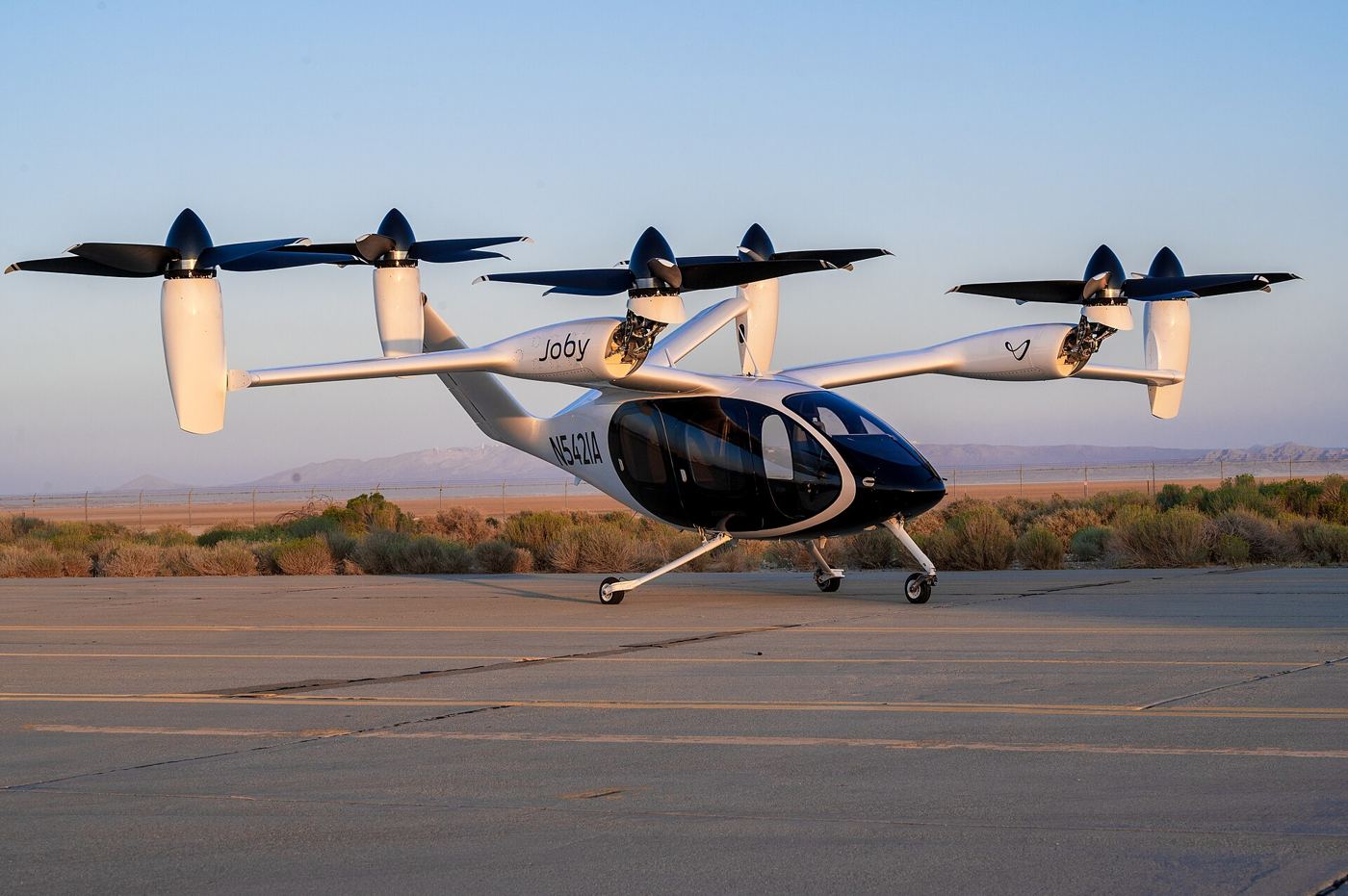
The air taxi has spent years as a rendering: sleek, quiet, and always about to arrive. Certification, the unglamorous process of proving an aircraft safe to carry paying passengers, is what turns renderings into transport. Electric vertical take-off and landing aircraft, or eVTOLs, have now cleared another formal milestone in that process, with regulators accepting key elements of manufacturers’ safety cases and test programmes moving from demonstration towards compliance flying.
Each milestone matters because aviation safety is cumulative. Unlike a software launch, an aircraft type must demonstrate, component by component and manoeuvre by manoeuvre, that failures are survivable and systems behave predictably. Readers can follow transport technology at our homepage and through specialist coverage such as Ars Technica, which has tracked the sector’s long road from promise to paperwork.
What certification really tests
The hardest problems are specific to the design. Many eVTOLs use numerous electric motors and propellers, so regulators require proof that the aircraft can keep flying, and land safely, when individual units fail. Batteries must contain a fire without endangering the cabin, software controlling distributed propulsion must be verified to aviation standards, and the transition between vertical lift and wing-borne flight, the signature manoeuvre of these designs, must be safe across weather and loading conditions.
Pilot licensing, maintenance regimes and operating rules are certified alongside the machine. Authorities must decide what training an air taxi pilot needs, how urban services integrate with existing air traffic control, and what happens when an aircraft must divert. Manufacturers sometimes describe this as bureaucracy; regulators describe it, more accurately, as the reason commercial aviation became the safest form of travel in the first place.
The city has to certify too, in effect
An approved aircraft still needs somewhere to take off. Vertiports require planning permission, charging infrastructure capable of turning aircraft around quickly, fire provision suited to large batteries, and passenger facilities connected to the rest of the transport network. Cities weighing applications ask about noise, because a vehicle far quieter than a helicopter can still become intrusive at high frequency, and about equity, since early services priced for business travellers risk claiming public airspace for private convenience.
Economics shadows every discussion. Manufacturers project that costs will fall with scale, as with electric cars, but early operations carry expensive aircraft, pilots, maintenance and vertiport fees spread across few seats. Reporting by BBC technology correspondents has noted the sector’s shift in language from revolution to initial routes: short airport transfers and showcase services in host cities, designed to prove operations before promising networks.
What the milestone does not settle
Certification progress does not guarantee commercial success, as aviation history, littered with certified aircraft that found no market, makes plain. Battery energy density still limits range and payload, weather will cancel services that marketing depicts as effortless, and public acceptance can turn on a single well-publicised incident. Competitors that fail to reach certification, or exhaust their funding first, are already thinning the field that once crowded air shows with competing prototypes.
Yet milestones compound. Each accepted test, agreed standard and licensed facility reduces the novelty regulators, insurers and passengers must absorb, and moves the question from whether such aircraft can operate to where, how often and at what price. That is a less exciting question than the original dream of flying cars. It is also the one that decides whether the dream becomes a timetable.
Aviation advances at the speed of demonstrated safety, and by that measure the air taxi industry is genuinely moving. The latest milestone will not fill skies with quiet electric aircraft next year. It does something more durable: it proves another section of the safety case, invites the next, and brings a once fanciful service a little closer to the ordinary status of a booked ride.
