


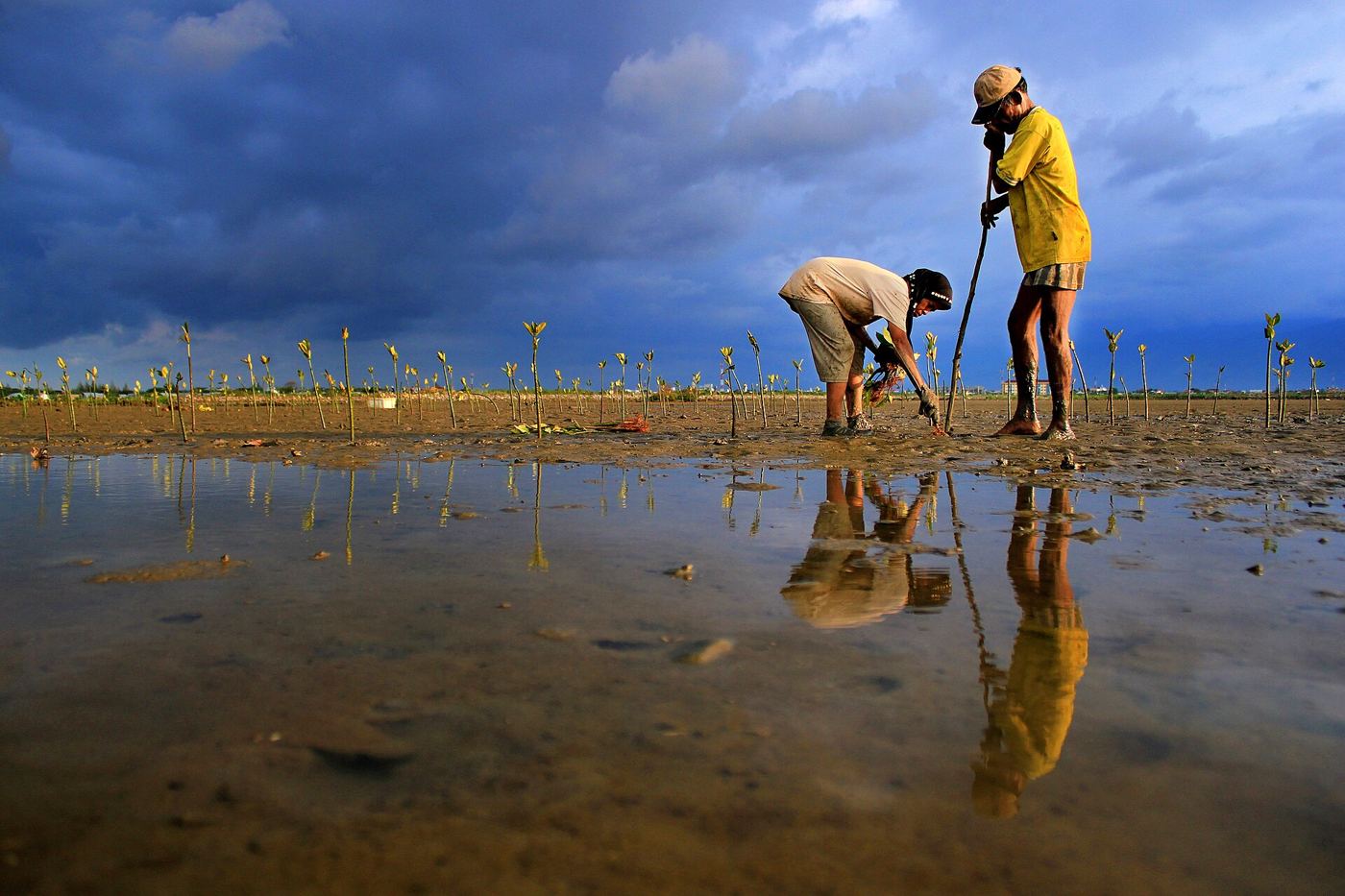
Planting trees is easy to photograph and hard to verify. Forest restoration has become a central instrument of climate plans, with companies funding planting to offset their emissions and governments counting regrowing forests towards national targets. Yet a tonne of carbon claimed is not always a tonne stored: trees die, burn, get cleared, or grow more slowly than the brochure assumed. A tougher era of verification is now arriving for restoration’s carbon claims, and not every project welcomes it.
The tools are improving quickly. Satellites track canopy change across whole landscapes, drones and laser scanning estimate biomass, and independent auditors increasingly check survival in the field rather than accepting planting numbers. Background on forests and climate is available through BBC science and environment coverage, and further reporting appears at our homepage.
Where the claims go wrong
The most common failure is arithmetic optimism. Credits are sometimes issued for the carbon a mature forest might one day hold, discounted too lightly for the years in which saplings store little, the proportion that will not survive, or the risk of fire and drought in a warming climate. Baselines can also flatter a project: if land was unlikely to be cleared anyway, protecting it adds less than claimed, and if planting displaces farming to other land, emissions may simply move rather than fall.
Monoculture plantations raise a different concern. Fast-growing single species can score well on early carbon while supporting little wildlife, draining water tables or proving vulnerable to disease. Restoration specialists argue that carbon accounting which ignores ecology will keep buying the wrong forests, whereas native, mixed planting grows more slowly on paper but stores carbon in landscapes likelier to persist, which, for a credit meant to last a century, is the quality that matters most.
How verification is tightening
New standards respond by delaying and conditioning credit. Issuance increasingly follows measured growth rather than planting dates, buffer pools withhold a share of credits against future losses, and registries publish project data for outsiders to scrutinise. Insurers are entering the market, pricing reversal risk in ways that reward durable projects. Research highlighted by Nature has shown how remote sensing, combined with permanent sample plots on the ground, can expose overclaiming that paperwork alone would never catch.
Communities are part of verification too. Projects endure when local people benefit from and defend the forest, through employment, tenure rights or a share of credit revenue. Auditors have learned to ask who owns the land, who was consulted and who is paid to replant after a fire, because a restoration project whose neighbours oppose it carries a risk no satellite can quantify but every satellite will eventually photograph.
What tougher rules mean for buyers
For companies, stricter verification raises prices and reduces the supply of cheap credits, which is precisely its purpose. Sustainability officers are shifting language from offsetting to contribution, funding restoration as a good in itself while cutting their own emissions directly, the hierarchy climate scientists have long recommended. Projects with strong records, meanwhile, can finally charge what durable carbon actually costs, rather than competing against claims that were never going to survive an audit.
The likely result is fewer, better forests. Restoration will remain essential; degraded land restored with native species is among the most valuable climate work available at any price. Verification does not diminish that work. It protects it, by separating the projects rebuilding ecosystems from those merely selling the idea of them, and by making a tonne of promised carbon mean something closer to a tonne.
Trees grow slowly and claims grow fast, and the gap between them is where greenwashing lives. Closing that gap with satellites, audits and patience is unglamorous work. It is also how restoration earns the trust, and the funding, to keep planting long after the photographs fade.
