

Close Menu
NewsTeddyNewsTeddy

    Subscribe to Updates

    Get the latest creative news from FooBar about art, design and business.

    What's Hot

    Wildlife Conservation’s Quiet Wins: Species Returning From the Brink

    October 24, 2026

    Teen Mental Health: What Support Actually Helps, According to Evidence

    October 24, 2026

    Children’s Reading for Pleasure Has Fallen Off a Cliff. Teachers Are Responding

    October 23, 2026
    Facebook X (Twitter) Instagram
    NewsTeddyNewsTeddy
    • Home
    • News
    • Business
    • Tech
    • Ai
    • Celebrity
    • Politics
    NewsTeddyNewsTeddy
    Home»News»Wildlife Conservation’s Quiet Wins: Species Returning From the Brink

    Wildlife Conservation’s Quiet Wins: Species Returning From the Brink

    Afia AgyemanBy Afia AgyemanOctober 24, 2026No Comments3 Mins Read
    Facebook Twitter Pinterest LinkedIn Tumblr Reddit Telegram Email
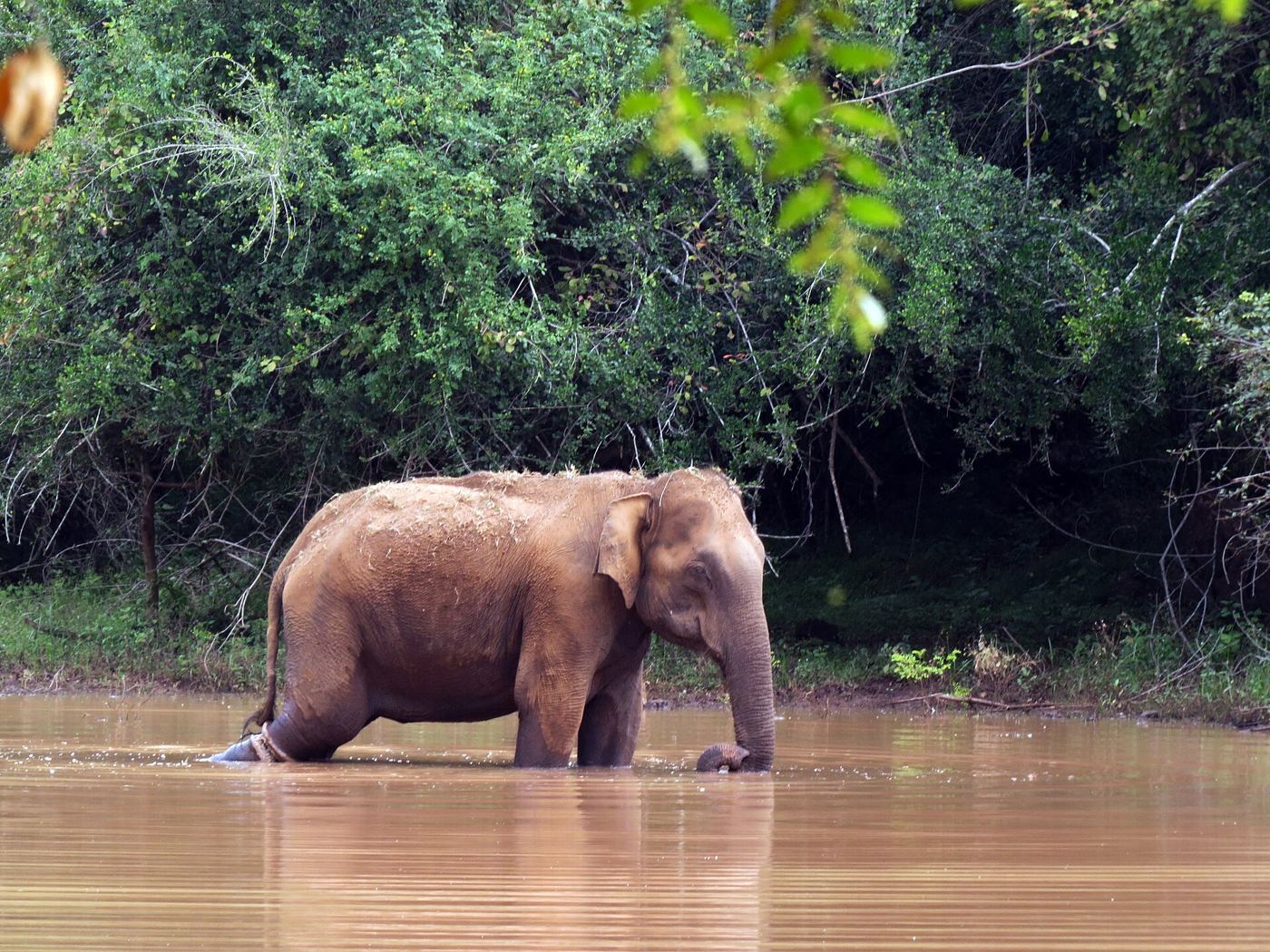
    Elephants in a savanna landscape, representing successful wildlife conservation.
    Share
    Facebook Twitter LinkedIn Pinterest Email

    Environmental news is dominated by loss, which is why the counter-examples matter so much: species that stood at the edge of extinction and came back. Humpback whales, hunted to a few thousand, now number in the tens of thousands. Wolves, beavers and white-tailed eagles have returned to European landscapes they vanished from centuries ago. Giant pandas were downlisted from endangered to vulnerable after decades of habitat protection in China. Each recovery carries the same lesson — decline is not destiny when pressure is removed and habitat is defended.

    The Playbook Behind the Comebacks

    Successful recoveries combine unglamorous ingredients: legal protection enforced in practice, habitat preserved or reconnected, conflict with people managed through compensation and deterrents, and monitoring honest enough to admit setbacks. Conservation groups profiled by BBC Environment emphasise patience most of all — whale and raptor recoveries took forty years, a timescale that funding cycles and politics rarely reward but biology demands.

    Our news coverage has followed the local half of these stories: farmers learning to live alongside returning predators, fishing communities adjusting to protected areas that later replenished their catches, and Indigenous guardians whose programmes achieve some of the strongest results in modern conservation. Comebacks succeed socially before they succeed biologically; a species protected on paper but resented on the ground remains in danger.

    Why These Wins Matter Beyond the Species

    Returning animals restore systems, not just headcounts. Beavers engineer wetlands that store water and shelter hundreds of species; whales fertilise ocean surface waters that feed plankton; predators rebalance prey populations and vegetation. Economists at forums such as the World Economic Forum increasingly price these services, strengthening the case that conservation is infrastructure investment rather than charity.

    None of this softens the scale of the wider biodiversity crisis, in which many less charismatic species continue to slide. The wins function instead as proof of concept and a source of strategic hope: the tools work when they are funded, enforced and given time. In a field that measures progress in generations, knowing recovery is possible is itself a conservation resource — it is what keeps people doing the slow work.

    The funding model behind these recoveries is evolving in ways that may protect them from political weather. Conservation trust funds, debt-for-nature swaps and payments for ecosystem services aim to make protection pay its own way locally, so that a change of government or donor fashion does not end ranger patrols overnight. Tourism revenue, fairly shared, has turned live elephants and whales into assets worth more than their carcasses across many regions. The lesson generalises beyond wildlife: conservation endures when the people living alongside nature gain from its survival. Every comeback story, examined closely, is also a story about incentives finally pointing the right way.

    Technology is accelerating the next generation of recoveries: environmental DNA detects rare species from water samples, drones police protected areas, and genetic rescue brings fresh diversity to inbred populations. Tools change, but the formula discovered by the whale and wolf recoveries does not — protect the habitat, reduce the killing, involve the neighbours, and wait longer than feels comfortable.

    conservation endangered species Environment wildlife
    Share. Facebook Twitter Pinterest LinkedIn Tumblr Email
    Afia Agyeman

    Related Posts

    Forest Restoration’s Carbon Claims Face Verification

    October 21, 2026

    Current News Stories Impacting Global Affairs

    May 24, 2026

    Breaking News Headlines You Need Today

    May 24, 2026
    Leave A Reply Cancel Reply

    Don't Miss

    Wildlife Conservation’s Quiet Wins: Species Returning From the Brink

    News October 24, 2026

    Environmental news is dominated by loss, which is why the counter-examples matter so much: species that stood at the edge of extinction and came back.

    Teen Mental Health: What Support Actually Helps, According to Evidence

    October 24, 2026

    Children’s Reading for Pleasure Has Fallen Off a Cliff. Teachers Are Responding

    October 23, 2026

    Your Body Clock Is Not Broken — Your Light Is, Sleep Scientists Say

    October 23, 2026
    Stay In Touch
    • Facebook
    • Twitter
    • Pinterest
    • Instagram
    • YouTube
    • Vimeo
    Our Picks

    Wildlife Conservation’s Quiet Wins: Species Returning From the Brink

    October 24, 2026

    Teen Mental Health: What Support Actually Helps, According to Evidence

    October 24, 2026

    Children’s Reading for Pleasure Has Fallen Off a Cliff. Teachers Are Responding

    October 23, 2026

    Your Body Clock Is Not Broken — Your Light Is, Sleep Scientists Say

    October 23, 2026

    Subscribe to Updates

    Get the latest creative news from SmartMag about art & design.

    About Us

    NewsTeddy is a trusted online platform delivering the latest news, trending stories, and informative articles across technology, business, lifestyle, entertainment, sports, and more, helping readers stay informed every day.

    Our goal is to make reliable information accessible through timely updates, in-depth insights, and high-quality digital publishing.

    Our Picks

    Wildlife Conservation’s Quiet Wins: Species Returning From the Brink

    October 24, 2026
    Contact Us

    If you have any questions or need further information, feel free to reach out to us at:

    Email: davidpowellofficial@gmail.com
    Telegram: @davidpowellofficial
    Phone: +358 44 952 3404

    Address: 742 Evergreen Terrace, Springfield, IL 62704, USA.

    © 2026 | All Rights Reserved By | NewsTeddy.
    • About Us
    • Contact Us
    • Disclaimer
    • Privacy Policy
    • Terms and Conditions
    • Write for Us

    Type above and press Enter to search. Press Esc to cancel.

    WhatsApp us