


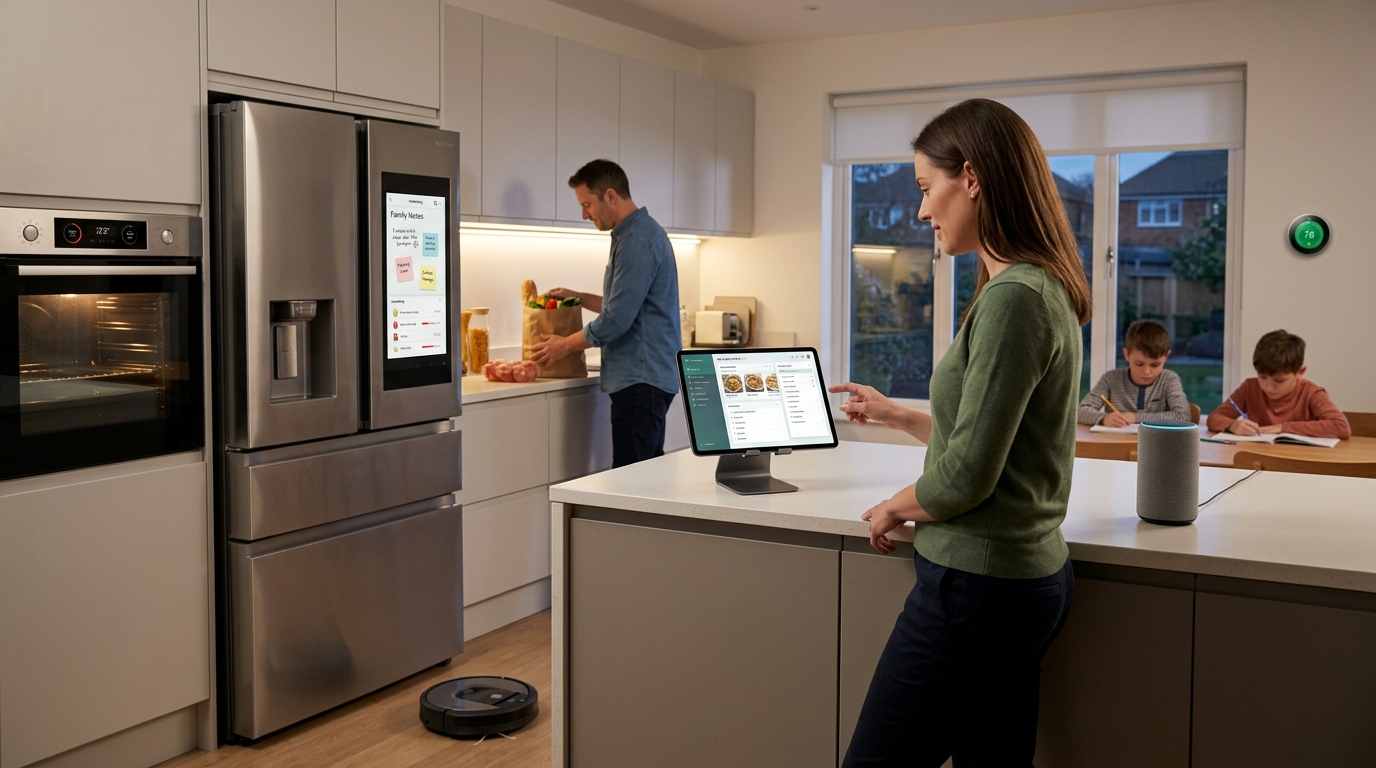
Modern technology is reshaping how people live, work, communicate, and solve global problems. From artificial intelligence to renewable energy systems, today’s innovations are creating faster, smarter, and more connected societies. These technology trends are not only improving convenience but also transforming industries, economies, and daily human behavior in ways that were unimaginable just a decade ago.
Artificial Intelligence Revolution
Machine Learning Advancements
Machine learning systems are improving decision making by analyzing large datasets and identifying patterns faster than humans. These technologies support industries like healthcare, finance, and marketing by increasing accuracy and efficiency. As models become more advanced, they continue to transform automation and predictive systems across global digital ecosystems.
Natural Language Processing Growth
Natural language processing enables machines to understand, interpret, and respond to human language effectively. This technology powers chatbots, translation tools, and voice assistants, making communication between humans and machines more seamless. It is widely used in customer service, education, and digital platforms to improve interaction quality.
Computer Vision Applications
Computer vision allows machines to analyze and interpret visual information from images and videos. It is used in facial recognition, medical imaging, autonomous vehicles, and security systems. This technology improves accuracy in visual tasks and enhances automation across industries that rely heavily on image based data processing.
AI Automation Systems
AI automation reduces manual effort by handling repetitive tasks in industries such as manufacturing, logistics, and customer service. These systems increase productivity, lower operational costs, and improve efficiency. Businesses use automation to streamline workflows and allow employees to focus on more complex and creative tasks.
Predictive Analytics Tools
Predictive analytics uses data and algorithms to forecast future outcomes and trends. Organizations apply it in business planning, healthcare diagnosis, and financial forecasting. This technology helps reduce risks, improve decision making, and support strategic planning in an increasingly data driven world.
| Technology Area | Key Function | Main Impact |
|---|---|---|
| AI Systems | Smart decision making | Automation growth |
| Cloud Computing | Data storage access | Global connectivity |
| IoT Devices | Real time data | Smart environments |
| Blockchain | Secure transactions | Trust enhancement |
Cloud Computing Expansion
Scalable Cloud Infrastructure
Cloud infrastructure allows businesses to scale resources up or down based on demand. This flexibility reduces costs and improves performance. Companies use cloud systems for storage, computing power, and application hosting, enabling efficient operations across global digital networks.
Remote Data Accessibility
Cloud computing enables users to access data from anywhere with an internet connection. This improves collaboration between teams and supports remote work environments. It enhances productivity by allowing real time file sharing and communication across different geographic locations.
Cloud Security Enhancements
Cloud providers implement advanced security measures such as encryption, authentication, and monitoring systems. These protections safeguard sensitive data from cyber threats. As reliance on cloud services increases, security remains a critical focus for businesses and organizations worldwide.
Hybrid Cloud Systems
Hybrid cloud combines private and public cloud services to offer greater flexibility and control. Organizations use this model to balance security with scalability. It allows businesses to optimize workloads and manage sensitive data more effectively across multiple platforms.
Cloud Based Applications
Cloud based applications run online without requiring installation on local devices. These apps improve accessibility and reduce hardware dependency. They are widely used for productivity tools, communication platforms, and business management systems in modern digital environments.
Internet of Things Growth
Smart Home Systems
Smart home systems connect devices such as lights, thermostats, and security cameras to the internet. These systems allow users to control their homes remotely, improving convenience, energy efficiency, and security through automated and intelligent technology solutions.
Wearable Technology Devices
Wearable devices like smartwatches and fitness trackers monitor health and activity in real time. They help users track steps, heart rate, and sleep patterns. This technology supports healthier lifestyles and provides valuable health insights for individuals.
Industrial IoT Applications
Industrial IoT improves manufacturing processes by connecting machines and sensors for real time monitoring. It enhances productivity, reduces downtime, and improves maintenance efficiency. Factories use this technology to create smarter and more automated production systems.
Connected Transportation Systems
IoT in transportation enables smart traffic management, vehicle tracking, and route optimization. These systems improve safety, reduce congestion, and enhance travel efficiency. They are essential for developing modern smart cities and intelligent mobility solutions.
IoT Data Integration
IoT systems collect large amounts of data that can be analyzed for insights. This data integration helps businesses improve decision making and optimize operations. It supports innovation in industries such as healthcare, logistics, and agriculture.
Blockchain and Digital Security
Decentralized Ledger Systems
Blockchain technology uses decentralized ledgers to record transactions securely and transparently. This eliminates the need for intermediaries and reduces fraud. It is widely used in finance, supply chain management, and digital identity systems.
Cryptocurrency Ecosystem Growth
Cryptocurrencies operate on blockchain networks and enable secure digital transactions. They are increasingly used for payments, investments, and cross border transfers. This ecosystem continues to grow as financial systems adopt digital currencies.
Smart Contract Automation
Smart contracts automatically execute agreements when predefined conditions are met. They reduce the need for intermediaries and improve efficiency. This technology is widely used in finance, legal processes, and digital business operations.
Cybersecurity Blockchain Solutions
Blockchain enhances cybersecurity by providing tamper proof data storage and verification systems. It protects sensitive information from unauthorized access and cyberattacks. Organizations use it to strengthen trust and data integrity.
Digital Identity Protection
Blockchain based digital identity systems allow secure and verifiable user authentication. These systems reduce identity theft and improve privacy. They are increasingly used in banking, government services, and online platforms.
5G and Connectivity Revolution
Ultra Fast Internet Speeds
5G technology provides significantly faster internet speeds compared to previous generations. This enables smooth streaming, real time communication, and improved online experiences. It supports advanced applications such as virtual reality and autonomous systems.
Low Latency Communication
5G reduces latency, allowing near instant communication between devices. This is essential for applications like remote surgery, gaming, and autonomous driving. It improves responsiveness and reliability in digital communication systems.
Enhanced Mobile Networks
5G enhances mobile network capacity, allowing more devices to connect simultaneously. This improves network stability in crowded areas and supports growing digital demand. It is crucial for smart cities and IoT expansion.
Smart City Connectivity
5G enables smart city technologies by connecting sensors, traffic systems, and public services. It improves urban management, safety, and efficiency. This connectivity supports sustainable development and intelligent infrastructure systems.
Remote Technology Applications
5G supports advanced remote technologies such as robotics control, virtual collaboration, and telemedicine. These applications improve accessibility and efficiency across industries. It is transforming how people work and interact globally.
Renewable Energy Technology
Solar Energy Innovations
Solar technology is becoming more efficient and affordable, making renewable energy widely accessible. Solar panels convert sunlight into electricity, reducing dependence on fossil fuels. This innovation supports environmental sustainability and energy independence.
Wind Power Advancements
Wind energy technology uses turbines to generate clean electricity from wind flow. Modern turbines are more efficient and powerful, contributing to global renewable energy production. It plays a key role in reducing carbon emissions.
Smart Energy Grids
Smart grids use digital technology to manage electricity distribution efficiently. They balance energy supply and demand in real time. This improves reliability, reduces waste, and supports renewable energy integration.
Energy Storage Solutions
Advanced battery systems store renewable energy for later use. These solutions ensure consistent power supply even when natural sources are unavailable. They are essential for stabilizing renewable energy systems.
Electric Vehicle Expansion
Electric vehicles reduce carbon emissions and promote sustainable transportation. Charging infrastructure and battery technology improvements are accelerating EV adoption worldwide. This shift is transforming the automotive industry.
Future Digital Innovation
Virtual Reality Experiences
Virtual reality creates immersive digital environments for entertainment, education, and training. Users can interact with simulated worlds, enhancing learning and engagement. This technology is expanding across multiple industries.
Augmented Reality Applications
Augmented reality overlays digital information onto the real world. It is used in gaming, retail, education, and navigation. This technology enhances user experience by blending physical and digital environments.
Robotics Automation Growth
Robotics technology automates complex tasks in industries such as manufacturing, healthcare, and logistics. Robots improve efficiency, accuracy, and safety in operations. This innovation is transforming industrial productivity.
Quantum Computing Progress
Quantum computing uses quantum mechanics to solve complex problems faster than traditional computers. It has potential applications in cryptography, science, and artificial intelligence. This technology represents the future of computing.
Digital Twin Technology
Digital twins are virtual models of real-world systems used for simulation and analysis. They help optimize performance, predict issues, and improve decision making in industries like manufacturing and urban planning.
What are modern technology trends?
Modern technology trends include AI, cloud computing, IoT, blockchain, and renewable energy systems.
How does technology change daily life?
Technology improves communication, convenience, productivity, and access to information in everyday life.
Why is AI important today?
AI improves automation, decision making, and efficiency across multiple industries.
What is the future of connectivity?
The future of connectivity includes 5G, smart cities, and real time digital communication systems.
How does renewable energy help the world?
Renewable energy reduces pollution, supports sustainability, and decreases dependence on fossil fuels.
Conclusion
Modern technology trends are transforming the world by improving connectivity, intelligence, sustainability, and efficiency across all sectors. Innovations like AI, blockchain, IoT, and renewable energy are shaping a smarter future. As these technologies continue to evolve, they will redefine how societies function, making life more connected, automated, and environmentally sustainable for future generations across the globe.
