


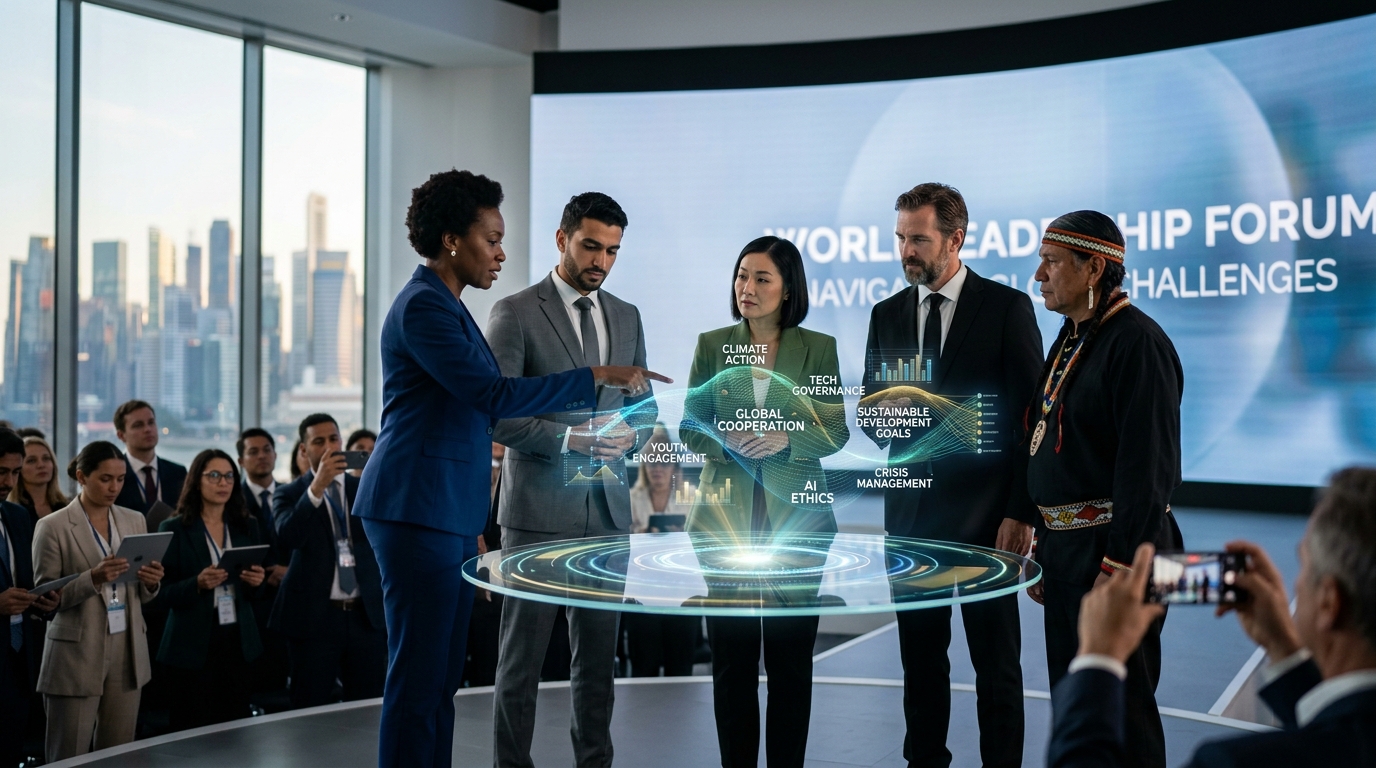
Modern politics and global leadership are rapidly evolving due to globalization, digital communication, economic interdependence, and shifting public expectations. Leaders today are expected to be more transparent, responsive, and adaptable than ever before. From international diplomacy to domestic governance, political systems are increasingly shaped by technology, media influence, and citizen engagement, creating a more interconnected and fast-changing global leadership landscape.
Digital Transformation in Politics
E Governance Systems
E governance systems improve public service delivery by digitizing administrative processes and reducing manual bureaucracy consistently. Citizens can access government services online, improving efficiency and transparency effectively. Governments using digital systems often experience faster decision-making, reduced corruption risks, and stronger public trust in political institutions and leadership structures.
Online Civic Engagement
Online civic engagement allows citizens to participate in political discussions, vote awareness campaigns, and policy feedback processes effectively. Social platforms increase political awareness and encourage public involvement consistently. Governments leveraging digital engagement tools often build stronger relationships with citizens while improving democratic participation and transparency in decision-making processes.
Data Driven Policy Making
Data driven policy making uses statistical insights and digital analytics to design more effective governance strategies consistently. Governments analyze population trends, economic indicators, and public needs effectively. Leaders using data based decisions often improve policy accuracy, resource allocation, and long-term national development planning with greater efficiency and accountability.
Cybersecurity In Governance
Cybersecurity plays a critical role in protecting government systems, election data, and national infrastructure from digital threats consistently. Strong security measures prevent cyberattacks and information breaches effectively. Governments investing in cybersecurity often strengthen public trust, safeguard sensitive data, and maintain stability in modern digital political environments successfully.
Digital Diplomacy Growth
Digital diplomacy enables countries to communicate and negotiate through online platforms and global digital networks effectively. Social media and virtual summits increase international cooperation consistently. Governments using digital diplomacy often strengthen global relationships, improve communication speed, and expand international influence in modern geopolitical environments successfully.
| Trend Area | Key Benefit | Political Impact |
|---|---|---|
| Digital Governance | Faster services | Increased transparency |
| Data Policies | Better decisions | Improved efficiency |
| Digital Diplomacy | Global reach | Stronger relations |
Global Leadership Shifts
Multipolar World Order
The global political landscape is shifting toward a multipolar system where multiple countries share power influence consistently. Nations such as the United States, China, and regional blocs play significant roles effectively. This shift increases global competition while encouraging diplomatic balance and more distributed international decision-making processes.
Emerging Economy Leadership
Emerging economies are gaining stronger political and economic influence in global leadership structures consistently. Countries in Asia, Africa, and Latin America are shaping international policies effectively. Their rise creates more balanced global governance while increasing opportunities for diverse perspectives in international negotiations and development strategies.
Regional Cooperation Alliances
Regional alliances strengthen political stability by promoting cooperation among neighboring countries consistently. Organizations such as trade blocs and security partnerships improve economic growth and peace efforts effectively. These alliances help countries address shared challenges while enhancing collective bargaining power in global political and economic systems.
Soft Power Influence
Soft power focuses on cultural influence, education, and diplomacy rather than military strength consistently. Countries use media, culture, and international aid effectively to build global reputation. Strong soft power strategies improve international relations, attract foreign investment, and strengthen global leadership presence in peaceful ways.
Global Governance Institutions
International organizations play a key role in maintaining global stability and cooperation consistently. Institutions such as the United Nations and World Bank support development and conflict resolution effectively. These organizations help coordinate global policies while ensuring fairness, humanitarian support, and long-term international cooperation.
Political Communication Evolution
Social Media Politics
Social media has transformed political communication by enabling direct interaction between leaders and citizens consistently. Platforms like Twitter and Facebook allow real-time updates and engagement effectively. Political messaging through social media increases transparency, public awareness, and influence over voter opinions in modern democratic systems.
Digital Campaign Strategies
Digital campaigns use online platforms to promote political messages and reach wider audiences consistently. Data analytics and targeted advertising improve campaign effectiveness effectively. Political parties using digital strategies often increase voter engagement, improve outreach efficiency, and strengthen communication with younger, tech-savvy populations globally.
Real Time News Influence
Real time news coverage shapes political opinions quickly by delivering instant updates on global events consistently. Media platforms influence public perception and decision-making effectively. Governments and leaders must respond rapidly to news cycles, ensuring accurate communication and maintaining public trust in dynamic political environments.
Political Branding Techniques
Political branding focuses on building a strong public image for leaders and parties consistently. Messaging, visuals, and communication style create identity effectively. Strong political branding improves voter trust, recognition, and emotional connection with citizens, influencing election outcomes and long-term leadership credibility in competitive political systems.
Fact Checking Systems
Fact checking plays an important role in reducing misinformation and improving political transparency consistently. Independent organizations verify statements and news accuracy effectively. Strong fact checking systems enhance public trust, protect democratic processes, and ensure citizens receive reliable information in modern digital political environments.
Leadership Ethics And Responsibility
Transparency In Governance
Transparency ensures that government actions and decisions are open to public scrutiny consistently. Clear communication improves trust between citizens and leaders effectively. Transparent governance reduces corruption risks, strengthens accountability, and enhances democratic values in modern political systems across national and international levels.
Accountability Mechanisms
Accountability systems ensure leaders are responsible for their decisions and public actions consistently. Monitoring institutions and legal frameworks support fair governance effectively. Strong accountability improves public trust, reduces misuse of power, and strengthens institutional integrity within modern political leadership structures and democratic environments.
Ethical Decision Making
Ethical decision making involves choosing policies that prioritize fairness, justice, and public welfare consistently. Leaders considering moral principles improve governance quality effectively. Ethical leadership strengthens public confidence, reduces conflicts of interest, and promotes long-term societal development in modern political systems globally.
Public Trust Building
Building public trust requires consistent honesty, transparency, and effective communication between leaders and citizens consistently. Trust enhances cooperation and policy acceptance effectively. Governments focusing on trust-building strategies often experience stronger civic participation, improved stability, and more effective implementation of political decisions.
Crisis Leadership Skills
Crisis leadership involves managing emergencies with quick decision-making and effective communication consistently. Leaders must remain calm and strategic during political or economic crises effectively. Strong crisis management improves public confidence, reduces instability, and ensures faster recovery during national and global challenges.
International Relations Dynamics
Diplomatic Negotiation Skills
Diplomatic negotiations help countries resolve conflicts and build cooperation agreements consistently. Skilled diplomacy improves mutual understanding and reduces tensions effectively. Strong negotiation strategies strengthen international relations, promote peace, and support economic partnerships between nations in a complex global political environment.
Trade Policy Agreements
Trade policies regulate economic exchange between countries and influence global markets consistently. Fair agreements promote economic growth and stability effectively. Strong trade relations improve international cooperation, increase investment opportunities, and strengthen global economic integration in modern political systems.
Conflict Resolution Strategies
Conflict resolution strategies help nations address disputes peacefully through dialogue and negotiation consistently. Mediation and diplomacy reduce violence effectively. Strong resolution approaches improve global stability, promote cooperation, and support long-term peace in international political relations.
International Security Cooperation
Security cooperation between nations helps address global threats such as terrorism and cybercrime consistently. Joint efforts improve safety and intelligence sharing effectively. Strong security alliances enhance global peace, strengthen defense systems, and improve international stability in modern political frameworks.
Global Aid Programs
Global aid programs support developing countries through financial assistance, healthcare, and education initiatives consistently. International cooperation improves living standards effectively. Aid programs strengthen diplomatic relations, promote global equality, and support sustainable development across nations.
Public Opinion And Media Influence
Media Framing Techniques
Media framing shapes public perception by highlighting specific aspects of political events consistently. News outlets influence interpretation and opinion effectively. Strong media framing impacts voter behavior, policy support, and public understanding of political issues in modern democratic systems.
Opinion Poll Analysis
Opinion polls measure public sentiment on political issues and leadership performance consistently. Polling data helps predict election outcomes effectively. Accurate analysis supports campaign strategies, improves political communication, and strengthens understanding of voter behavior in modern politics.
News Media Credibility
Media credibility ensures that information shared with the public is accurate and trustworthy consistently. Reliable journalism strengthens democratic systems effectively. High credibility improves public confidence, reduces misinformation, and supports informed decision-making in political environments.
Political Debate Coverage
Political debates provide platforms for leaders to present policies and ideas consistently. Media coverage increases public engagement effectively. Debates influence voter opinions, enhance transparency, and strengthen democratic participation in modern political systems.
Information Literacy Growth
Information literacy helps citizens evaluate news accuracy and identify misinformation consistently. Educated audiences make better political decisions effectively. Strong literacy improves democratic participation, reduces manipulation risks, and strengthens informed public discourse.
Future Of Political Leadership
AI In Governance
Artificial intelligence improves government efficiency by automating processes and analyzing data consistently. AI systems support decision-making effectively. Governments using AI enhance public services, improve policy accuracy, and increase administrative efficiency in modern political systems.
Youth Political Participation
Youth involvement in politics increases innovation, representation, and democratic engagement consistently. Young leaders bring fresh perspectives effectively. Strong youth participation improves policy development, strengthens democracy, and supports long-term political sustainability globally.
Sustainable Policy Development
Sustainable policies focus on long-term environmental and economic stability consistently. Governments balance growth with resource conservation effectively. Sustainable development improves quality of life, supports global cooperation, and ensures future stability.
Global Leadership Training
Leadership training programs develop skills such as negotiation, decision-making, and crisis management consistently. Education improves governance quality effectively. Trained leaders strengthen institutions, improve policy outcomes, and enhance global leadership standards.
Future Political Trends
Future politics will be shaped by technology, globalization, and citizen engagement consistently. Emerging trends influence governance models effectively. Adaptive leadership improves stability, innovation, and global cooperation in modern political systems.
What is modern political leadership?
Modern political leadership focuses on transparency, technology use, and citizen engagement in governance systems.
How does social media affect politics?
Social media influences public opinion, improves communication, and increases political awareness among citizens.
Why is transparency important in governance?
Transparency builds public trust, reduces corruption, and improves accountability in government systems.
What role does AI play in politics?
AI improves decision-making, policy analysis, and administrative efficiency in modern governance.
How are global leadership trends changing?
Global leadership is becoming more collaborative, technology-driven, and focused on sustainability.
Modern politics and global leadership are evolving rapidly due to technology, communication, and shifting international power structures. Leaders must adapt to transparency, data-driven decision-making, and global cooperation to remain effective. As citizens become more engaged and informed, political systems continue to transform, creating a more connected, accountable, and dynamic world focused on sustainable progress and shared global responsibility.
